Gilding
Margareth Colour's & Charm's
The art of Gilding
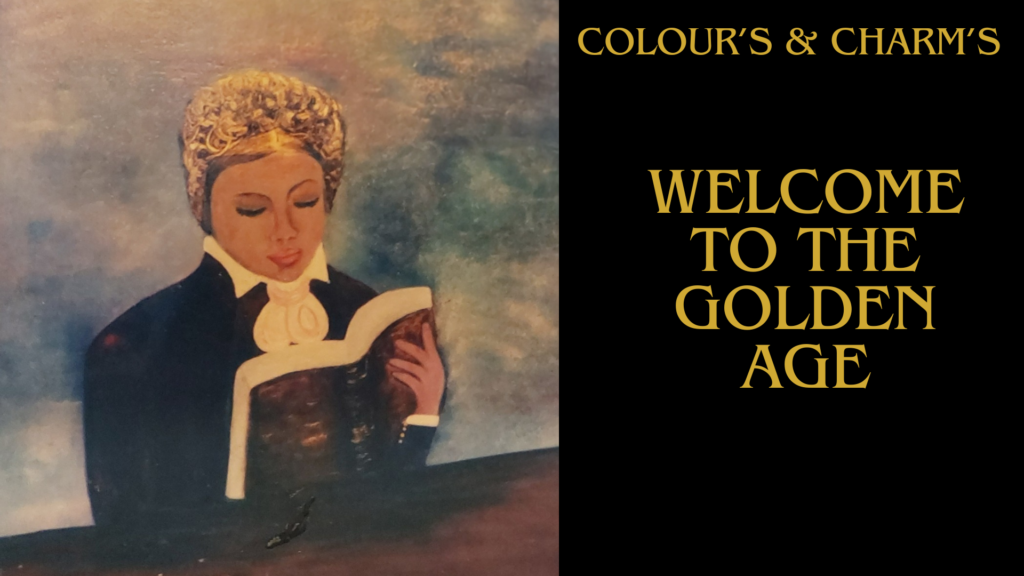
The art of gilding with gold leaf is a technique that dates back centuries, valued for its ability to transform any piece into a luxurious work of art. Combining tradition and sophistication, gilding remains one of the most precious forms of decoration and enhancement of artistic objects.
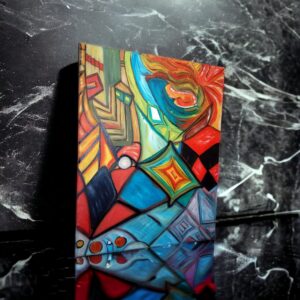
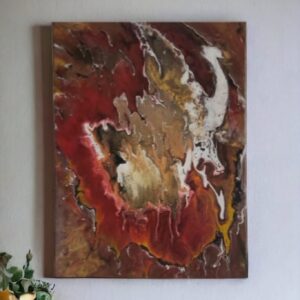

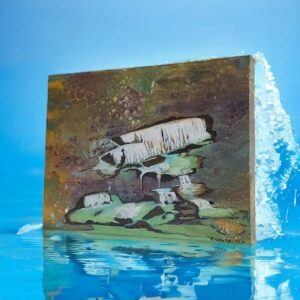
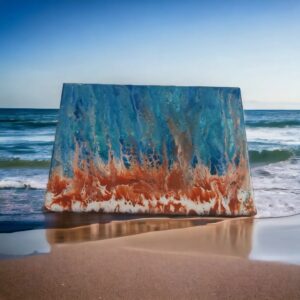
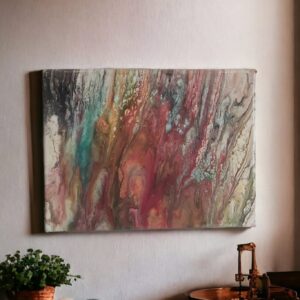

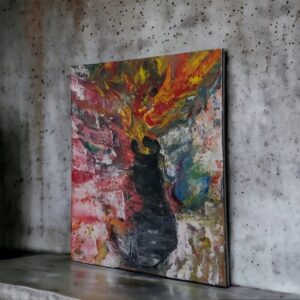
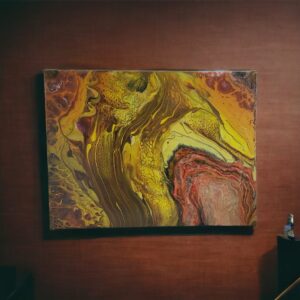
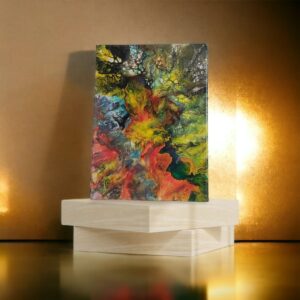
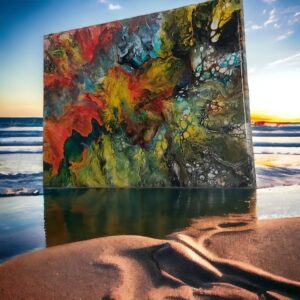

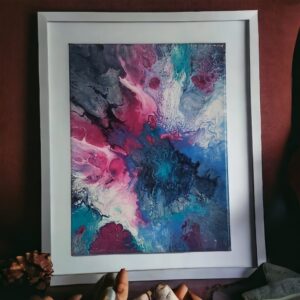
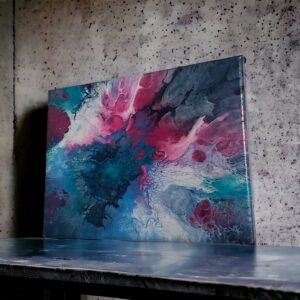
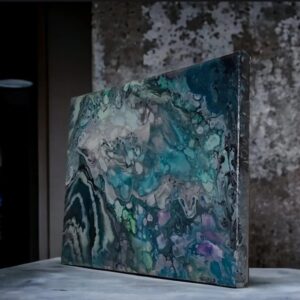

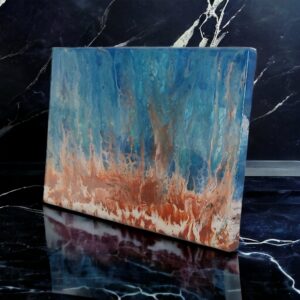
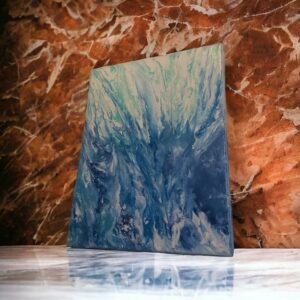


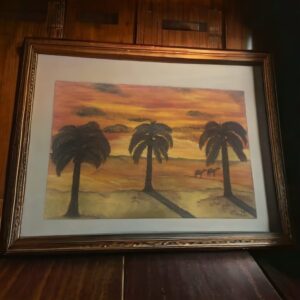

The Art of Gilding
Applications of the Technique

Jewelry: The use of gold leaf is also common in jewelry, creating bright effects and high aesthetic value.
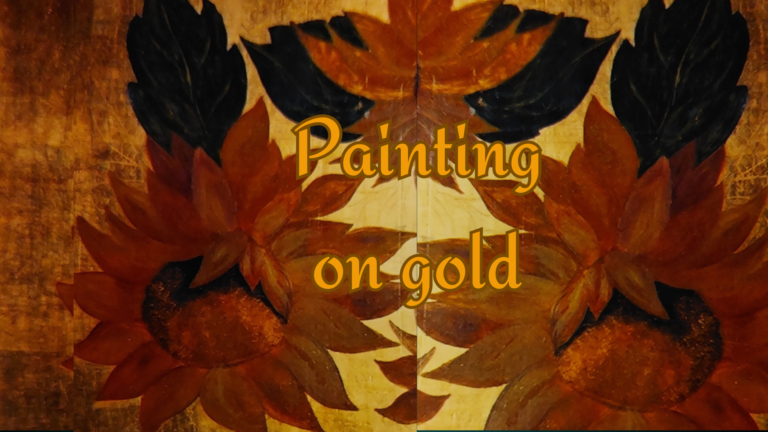
The art of gilding with gold leaf is a technique that dates back centuries, valued for its ability to transform any piece into a luxurious work of art. Combining tradition and sophistication, gilding remains one of the most precious forms of decoration and enhancement of artistic objects.
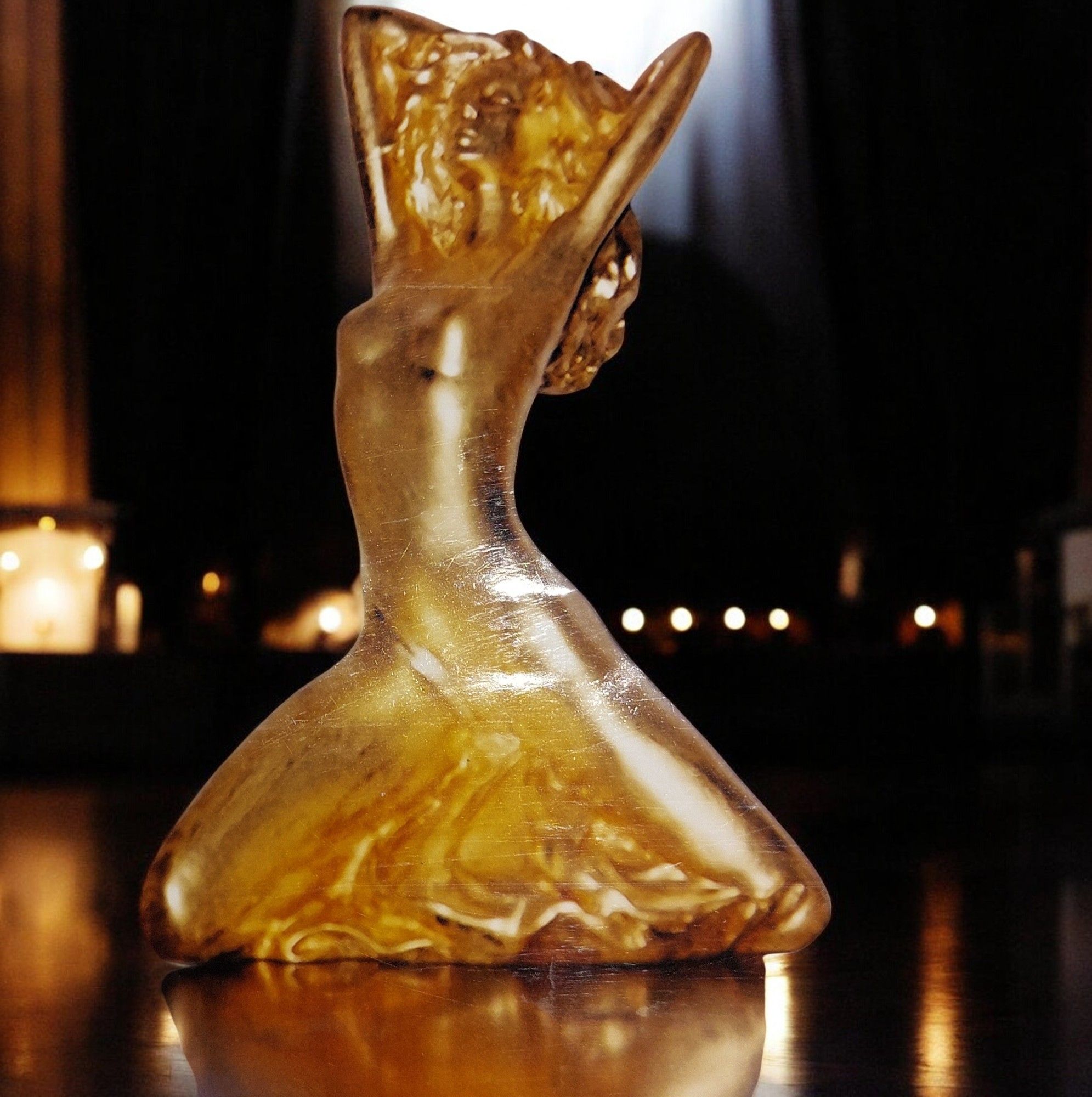
A unique, rich, and smooth shine, with warm and deep reflections that only genuine gold can offer
Pieces with genuine gold leaf are considered luxurious, durable, and timeless, ideal for clients who value authenticity and exclusivity. On the other hand, those with imitation gold offer a more economical alternative, but with lower durability and aesthetic changes over time.
Genuine Gold Leaf
Material: Made from genuine gold, typically with a purity of 22 or 23 karats, and extremely thin in thickness.
Appearance: It has a unique, rich, and smooth shine, with warm and deep reflections that only genuine gold can provide. The color is more vibrant and retains its tone for a long time.
Durability: Resistant to oxidation and wear over time, as gold does not rust or react with air or moisture.
Value: More expensive due to the precious material and the specialized work required for its application.
Uses: Commonly used in high-value artistic or decorative pieces, such as sacred art, jewelry, sculptures, and exclusive works of art.
Maintenance: Requires specific care to avoid mechanical damage, but the gold leaf itself does not lose its shine or color.

Visually similar, imitation gold leaf has a more superficial shine.
Imitation Gold Leaf (also known as metallic leaf or gold imitation)
Material: Typically made of metal alloys such as copper, zinc, or aluminium, which mimic the appearance of gold.
Appearance: Although visually similar, imitation gold leaf has a more superficial shine and, over time, may fade, oxidize, or develop a greenish or greyish tone, depending on its composition.
Durability: Less durable, more susceptible to wear, oxidation, and environmental damage, especially in high-humidity conditions.
Value: More affordable, ideal for budget-conscious projects or decorative pieces that do not require the longevity of genuine gold.
Uses: Common in interior decoration, temporary projects, crafts, and large-scale works where cost is a concern.
Maintenance: Requires more attention, such as applying varnishes or lacquers to extend its lifespan and protect against oxidation

“The Difference Between the Pieces: The Impact of Genuine Gold and Imitation Gold on the Final Result”
Imitation Gold Leaf (also known as metallic leaf or gold imitation)
Material: Typically made of metal alloys such as copper, zinc, or aluminium, which mimic the appearance of gold.
Appearance: Although visually similar, imitation gold leaf has a more superficial shine and, over time, may fade, oxidize, or develop a greenish or greyish tone, depending on its composition.
Durability: Less durable, more susceptible to wear, oxidation, and environmental damage, especially in high-humidity conditions.
Value: More affordable, ideal for budget-conscious projects or decorative pieces that do not require the longevity of genuine gold.
Uses: Common in interior decoration, temporary projects, crafts, and large-scale works where cost is a concern.
Maintenance: Requires more attention, such as applying varnishes or lacquers to extend its lifespan and protect against oxidation.